





You didn’t buy rosemary oil just to add it to your bathroom shelf. You bought it because you were done with all the trial shampoos, hair spa bills, and “nani ke nuskhe” that led to zero results.
And maybe you’ve already tried applying it a few times.
But your hair’s still falling. Or maybe it’s become greasy. Or worse, itchy.
What’s going wrong?
Well, rosemary oil is powerful, yes. But if you’re not using it right, it’s just another fancy bottle in your drawer. In fact, most people unknowingly make small mistakes that stop it from working at all.
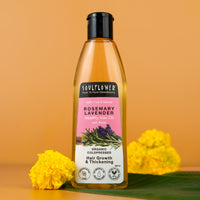
In this article, I’ll walk you through the top 10 mistakes people make when using rosemary oil for hair growth. And more importantly, I’ll show you how to fix them, backed by real experience and a little help from Soulflower’s Rosemary Lavender Hair Oil, which is kind of a hero product if you ask me.
First, Why Is Everyone Obsessed With Rosemary Oil?
Here’s the thing. Rosemary isn’t just some internet trend. It has real science behind it.
This herb has compounds that boost blood flow to your scalp and wake up those sleepy hair follicles. That means thicker, stronger hair, and yes, new growth. It also fights inflammation and reduces dandruff-like flakiness.
In short, it makes your scalp the kind of place where hair actually wants to grow.
But the results depend on how you use it. So let’s talk about what not to do.
Mistake 1: Applying Pure Essential Oil Straight on Your Scalp
This is the classic mistake.
Essential oils are super concentrated. Think of them like chilli powder, just a little goes a long way. Applying rosemary oil directly without mixing it with a base oil can irritate your scalp or even cause redness and itching.
What to do instead:
Use a carrier oil. Coconut, almond, or even jojoba work beautifully. If you don’t want to mix it yourself (who does, honestly?), go for something pre-blended like Soulflower’s Rosemary Lavender Hair Oil. It’s ready-to-use, no DIY needed.
Mistake 2: Thinking “More Oil = Faster Results”
We’ve all done this, poured half the bottle hoping it’ll work faster.
But your scalp isn’t a sponge. Using too much can clog pores, attract dust, and make your hair feel greasy for days.
What to do instead:
Just 1-2 tablespoons, depending on your hair length, is more than enough. Focus more on how you massage it in rather than how much you use.
Mistake 3: Skipping the Patch Test
This is where a lot of people go wrong, especially those with sensitive skin.
Why it matters:
Even natural oils can cause reactions. Rosemary is strong, and if your skin isn’t used to it, you might end up with breakouts or irritation.
Quick tip:
Apply a drop behind your ear or on your arm. Wait 24 hours. No redness? You’re good to go.
Mistake 4: Oiling Your Hair When It’s Super Dirty
Imagine applying cream on a dusty face.
Now imagine applying oil on a scalp that’s full of product buildup, sweat, and grime. It just sits there, doing nothing.
What to do instead:
Oil your hair when it’s dry but clean. Not just-washed, but not post-gym sweaty either. Somewhere in between.
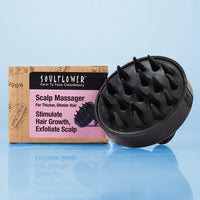
Mistake 5: Forgetting to Massage
Letting oil sit on your scalp like a coating is useless. Your scalp needs stimulation.
Massaging is where the magic happens.
It increases blood flow and helps the oil go deep into your roots.
How to do it right:
Use your fingertips, not nails. Massage in small circles for at least 5 minutes. You’ll notice a big difference in results if you do this consistently.
Mistake 6: Giving Up Too Soon
If you expected results in a week, I hate to break it to you, it doesn’t work like that.
Hair grows slowly. Even the best oil won’t turn you into Rapunzel overnight.
What to expect:
Visible results can take 2 to 3 months. Soulflower recommends using their rosemary oil 2 to 3 times a week for 90 days, and users have genuinely seen a difference.
Mistake 7: Using It Every Day
Yes, you heard that right. Using it too often is also a problem.
Your scalp needs a break. Over-oiling can disrupt your scalp’s natural oil balance and lead to stickiness or clogged roots.
How often should you use rosemary oil?
2 to 3 times a week is perfect. Enough to be consistent, but not too much to cause build-up.
Mistake 8: Using the Wrong Type of Rosemary Oil
There’s rosemary essential oil (super strong, needs dilution) and then there’s hair oils with rosemary in it (like Soulflower’s).
If you’re using a raw essential oil and applying it directly, you're risking damage. If you’re using a mix with mineral oils or synthetic perfumes, again, not helpful.
What to choose instead:
A clean, no-nonsense blend that’s already mixed in the right ratio. Soulflower’s Lavender Rosemary Hair Oil is:
-
100% vegan
-
Free from sulphates, parabens, and mineral oil
-
Clinically proven for 2X regrowth in 90 days
-
Non-greasy and deeply nourishing
Mistake 9: Mixing It With Just Anything
Some people add rosemary oil into their shampoo or mix it with oils that don’t suit their hair type.
That can backfire.
Not all products play well with essential oils. Sulphates, artificial fragrances, or heavy conditioners can cancel out its benefits, or worse, cause buildup.
Stick to simple, natural products.
Don’t experiment too much. Pair it with a mild sulphate-free shampoo and conditioner if needed.
Mistake 10: Washing It Off Too Soon
You applied the oil and washed it off in 20 minutes?
That’s like making tea and throwing the leaves out before the water boils.
What to do instead:
Keep the oil on for at least 4 hours, ideally overnight. It needs time to get absorbed. The best part? Soulflower’s rosemary oil is lightweight and doesn’t make your pillowcase look like a paratha.
Pro Tips That Actually Work
-
Try the inversion method: Hang your head upside down for 2 minutes while massaging. Sounds funny, but boosts blood flow.
-
Don’t oil dripping-wet hair. Damp is fine, but water repels oil.
-
After washing, use a microfiber towel to dry, less breakage.
-
Skip heat styling for 24 hours after oiling. Give your hair time to soak in the nourishment.
Why I Personally Recommend Soulflower?
I’ve used a lot of oils. Most of them either smelt too strong, felt sticky, or made no difference.
Soulflower’s Rosemary Lavender Hair Oil is one of the few I’ve actually stuck with.
Here’s why:
-
It smells refreshing, not overpowering
-
Doesn’t make your scalp feel heavy
-
I saw visible baby hair within 6 weeks (with consistency)
-
It's Ayurvedic but doesn’t feel outdated or messy
-
Affordable and Buy 1 Get 1 Free? Yes, please.
Final Takeaway
Rosemary oil can absolutely help you regrow hair, reduce fall, and make your scalp healthier. But only if you stop treating it like a miracle and start treating it like a routine.
Avoid the mistakes most people make. Give it time. Stick to clean formulations. And massage like your nani would tell you to.
If you want something that works without the DIY, chemical confusion, or dilution drama, grab this:
Soulflower Rosemary Lavender Hair Oil
Trust me, your scalp will thank you.
Frequently Asked Questions
Can rosemary oil regrow bald spots?
Yes, with regular use, rosemary oil can stimulate dormant follicles and support regrowth on thinning or patchy areas, especially in early-stage hair loss.
Can I mix rosemary oil with shampoo?
You can, but it’s less effective. For best results, apply rosemary oil with a carrier oil on your scalp, leave it on, and then shampoo.
How long before you see results?
Visible changes usually take around 6 to 12 weeks of consistent use, but results may vary depending on your scalp condition and routine.
Which is the best time of day to apply rosemary oil?
Nighttime is ideal as it allows deeper absorption without sun exposure, especially if you're leaving the oil overnight for best results.
